Do you know about yin yoga? It’s a type of hatha yoga which involves holding poses for long periods of time, allowing for the release of deeper tensions. It’s a restful and meditative practice, allowing for the nourishment of both body and mind. I like to irreverently call it ‘laying around in funny shapes.’ To be honest, it’s my favorite form of asana to practice. All that time focused on my own self-care and well-being is exactly what I need to keep my brain and body working their best. I love to practice pranayama, chant mantra, or even listen to podcasts on days when my brain is particularly uncooperative.
But many people use the term ‘yin yoga’ incorrectly, and in doing so, it’s a type of orientalism and cultural appropriation. Orientalism is when people from a Western culture view the East as a monolith that is fundamentally ‘other’, and can lead to a type of exoticism and even stereotyping. We need to be aware of these issues when talking about cultural practices so we can respect the philosophies that inspire us.
To be clear, I’m referring purely to the practice of doing only yin yoga or yin yoga paired with a more active yoga practice. In the context of practicing the discipline alongside Chinese martial arts, or with understanding of the principles of Chinese medicine I would probably describe it as Taoist Yoga. That term shows the clear marriage of two distinct spiritual practices. Practice in that context is a cultural syncretism and it’s above my pay grade to untangle that ethical knot. So is what to call it.
To understand what I mean you need to take a look at the history of yin yoga and the people who originally brought us these teachings.
Yin yoga was created in the early 2000s by a lineage of founders—Paulie Zink, Saul David Raye, Sarah Powers, and Bernie Clark. Each of them had their own unique approach and brought something special to the yoga community.
Paulie Zink is a fifth generation martial artist from Beijing and Berlin. He’s been teaching Taoist, Vajrayana, and Chinese martial arts since the 1970s, and has greatly influenced the modern Yin yoga practice.
Saul David Raye is a Hatha and Yin yoga teacher with an incredible attention to detail and an open hearted teaching style. He was influential in bringing together the Taoist and Buddhist teachings of Yin Yoga.
Sarah Powers is a teacher of the Yin Yoga tradition and Mindful Yoga Therapy, bridging ancient Eastern healing practices with modern psychotherapy. Her approach to Yin Yoga is a style characterized by embodying mindful awareness and compassionate support, that by holding postures for longer periods of time, the practitioner may access subtler layers of the body and mind. She has written several books, including Insight Yoga and Yogini: The Power of Women in Yoga.
Bernie Clark is considered the father of modern Yin yoga. He has been noted for his attention to detail and his clarity as a facilitator of this practice. He’s written two books, The Complete Guide to Yin Yoga and Yin Yoga: Principles and Practice.
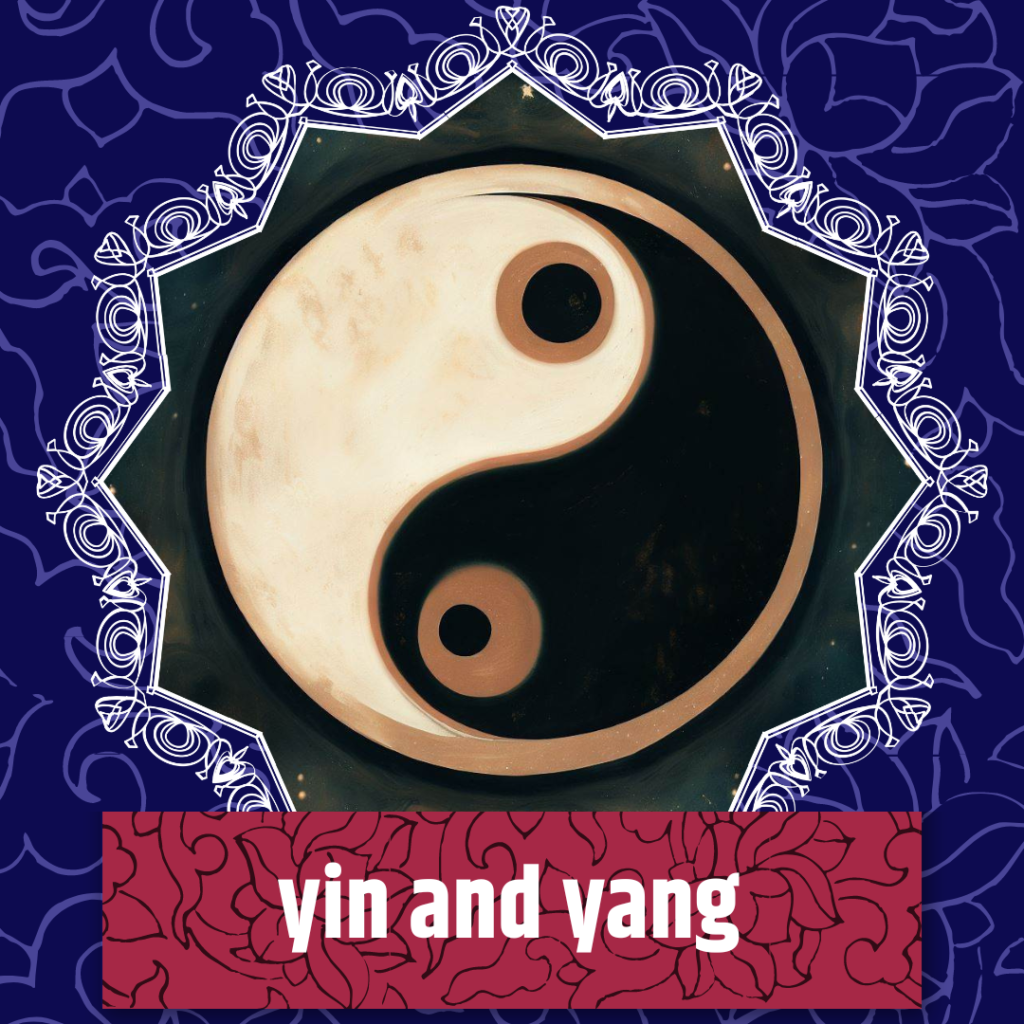
The way the term ‘yin’ was originally used was in association with Chinese martial arts. It contrasted the two modes of exercise—balancing movement with stillness and rest. However, because ‘yin’ is a term which comes from Chinese philosophy—it’s part of the theory of yin/yang which is at the base of Taoism. To be meaningful, each yin or yang must have its opposite—the equilibrium. Without a yang, the term yin becomes meaningless.
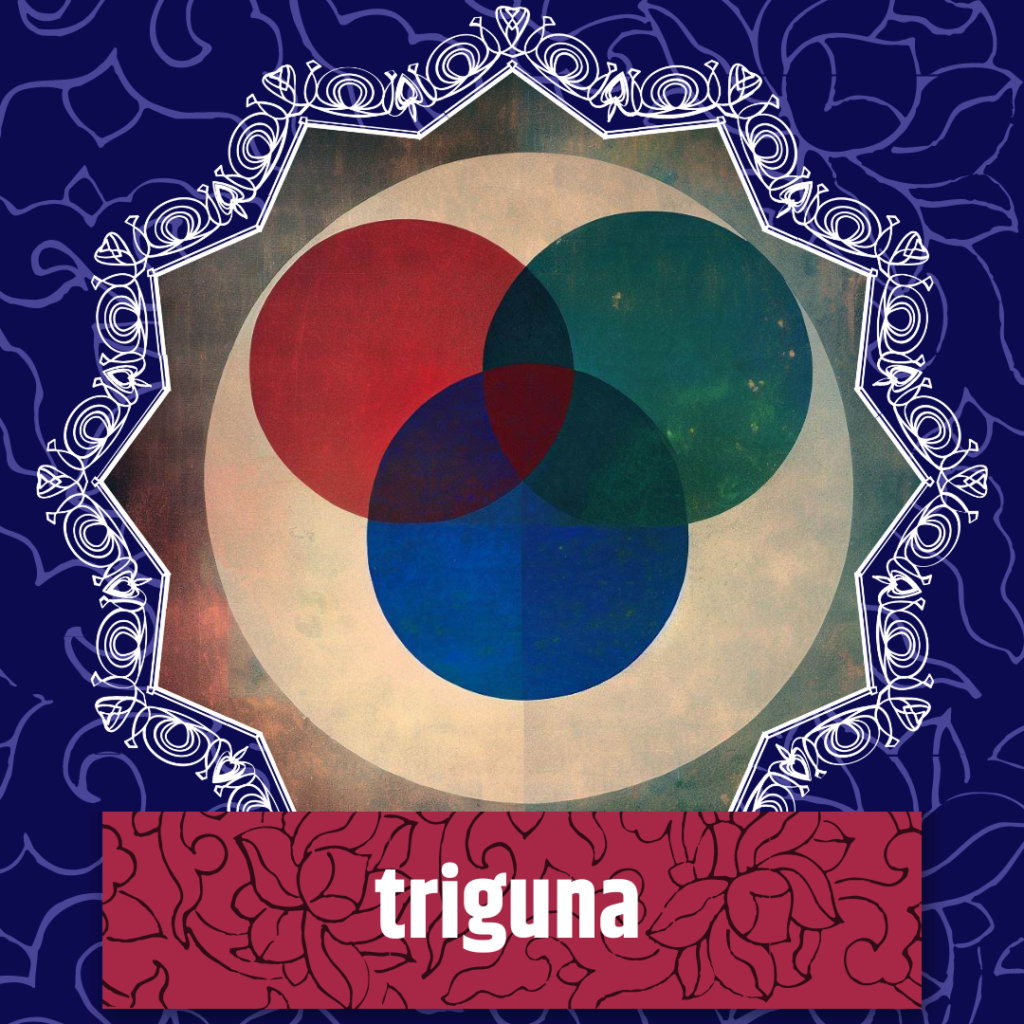
The closest thing to this idea in Indian traditions is not yin/yang, but the Triguna—the three qualities that make up the basis of Indian spirituality. They are sattva (purity, wisdom, balance, consciousness), rajas (drama, excitement, action) and tamas (apathy, lethargy, dullness). These Triguna form the foundation of our spiritual and psychological makeup, and each has its own unique balance.
So even though it looks active on the outside, Ashtanga and Power yoga emphasize the fiery rajas guna more than the others. It’s far from the meaning of yin/yang—“active” is not “yang” in this context. Calling a style of yoga yin without the yang of Chinese martial arts is like calling Chinese martial arts ‘Rajasic Yoga.’
The idea of holding poses for long periods of time originates from the earliest mentions of yoga postures in Hindu scriptures. The modern creators of yin yoga tapped into the ancient wisdom of yogis who used to hold poses for much longer periods of time than the more active Hatha practices today.
The misunderstanding of yin yoga as part of Chinese culture instead of its Indian origins is disrespectful to both, and our intellectual standards. We need to be very careful about how we talk about non-western cultural practices, and avoid orientalism by conflating Chinese and Indian cultural practices.
So rather than using the term “yin yoga”, let’s use other names that emphasize the restful, slow, and meditative nature of the practice—such as Restful Yoga or Slow Flow Yoga, or even Cozy Yoga! Let’s continue to experiment and explore creative new ways to take care of ourselves and our communities, while also being mindful of the impact we have on the cultures and traditions we draw from.
Do you think ‘yin yoga’ is the right name? What would you think of as a better name? Share your ideas in the comments below!